Mood tracker ideas
A mood tracker is a quick daily mark that shows how you felt, so you can look back and see patterns. These twelve ideas range from a single colour to a one-line note. Pick the one you will still do on a busy day.
Updated 21 October 2026. Sources named on the page.
- Twelve ways to track mood, from one colour to one line
- What each one shows you
- How to pick the one you will keep doing
- Free to start in the Daily Journal
Keep your results in the Daily Journal
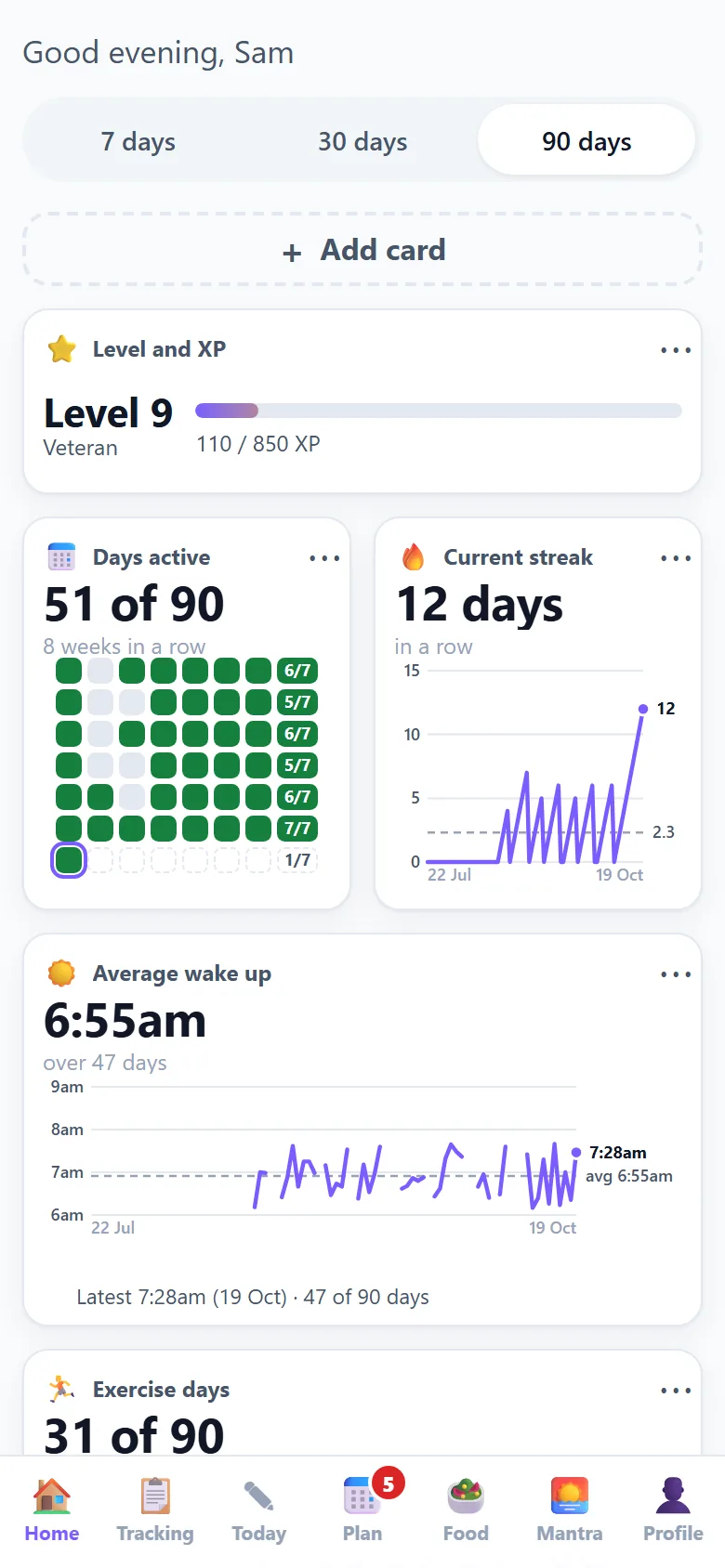
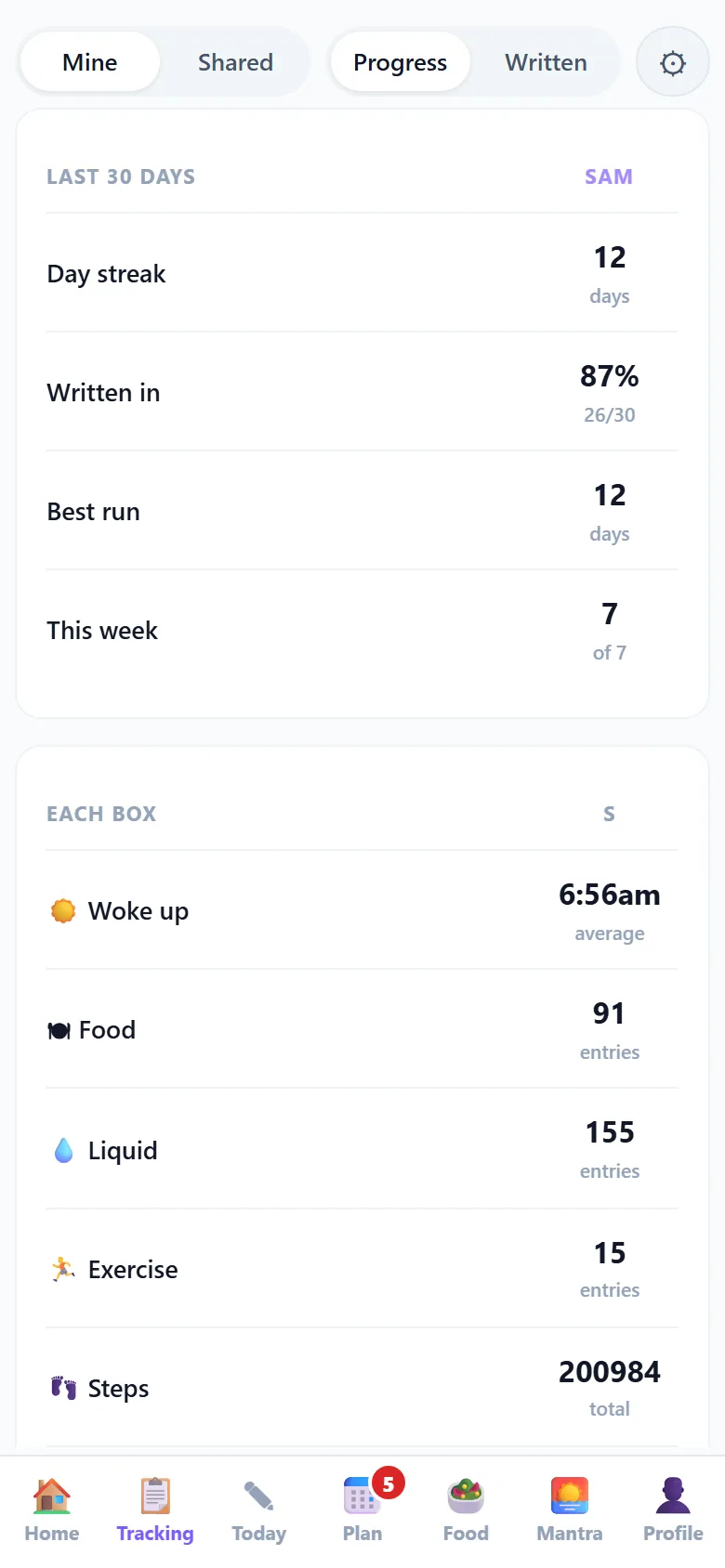
Habits, food, mood and sleep in one private place, with progress charts and a daily research card. Free to start.
- Every claim names its study
- Alone, as a couple or with a group
- Private by default
Start with the smallest idea
The best mood tracker is the one that takes less than a minute. A colour per day, a number from 1 to 5, or a single word on a sticky note is enough. Anything bigger tends to stop after a week, and a gap in the tracker teaches you less than a small mark kept up.
Twelve ideas
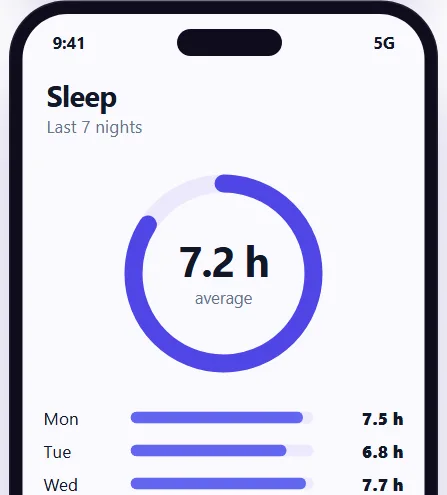
One: a colour for each day, with your own key. Two: a number from 1 to 5. Three: an emoji or a drawn face. Four: one word. Five: a weather symbol (sunny, cloudy, stormy). Six: a line graph of the daily number. Seven: a monthly grid, one square a day. Eight: a moods and reasons list with a short note. Nine: a mood and energy pair. Ten: a morning and an evening mark. Eleven: a mood next to sleep and activity. Twelve: a single sentence at the end of the day.
Match the idea to the question
If you want to see good and bad weeks, a colour grid shows it at a glance. If you want to know why a day was heavy, add a short note. If you want to see how sleep or exercise relate to your mood, track those on the same page and look back after a few weeks.
Keep the key simple
A key with more than five or six moods gets hard to use. Write it once at the top of the page and do not change it mid-month, or the colours stop being comparable.
On paper or in an app
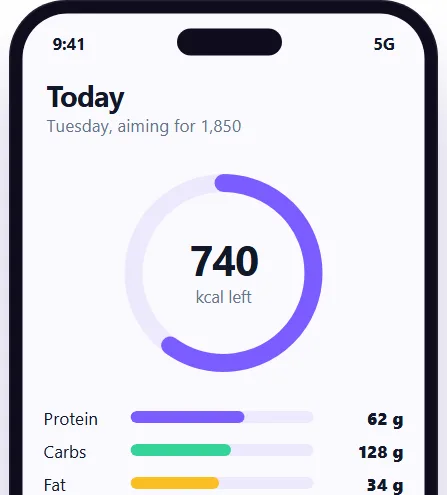
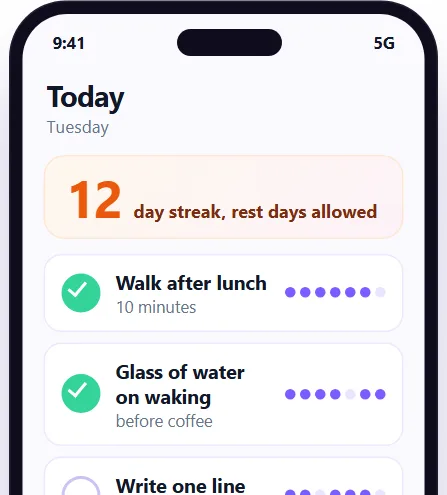
A paper grid is good for the fridge door. A journal app adds a reminder and keeps your mood next to habits, food and sleep. The mood tracker printable on this site is a one-page monthly grid, and the Daily Journal has a mood box on the Today page.
A note on what it can and cannot do
A mood tracker is for noticing patterns in your own life. It is not a test and it cannot tell you what is wrong. If low mood lasts, or you feel unsafe, please talk to a doctor or a support service.
Questions
What is the easiest way to track my mood?
One colour or one number a day. Anything that takes under a minute is easier to keep up than a long form.
How often should I track my mood?
Once a day is enough for most people. Some add a morning and an evening mark. Choose a time you can repeat, such as before bed.
Is there a free mood tracker?
Yes. The mood tracker printable here is free, and the Daily Journal has a mood box on the Today page that is free to start.
Can a mood tracker diagnose anything?
No. It shows your own pattern over time. If you are worried about your mood, talk to a doctor.
Keep going
Tools that go with this page
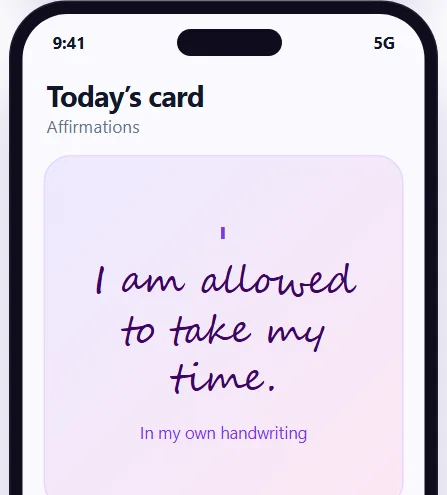
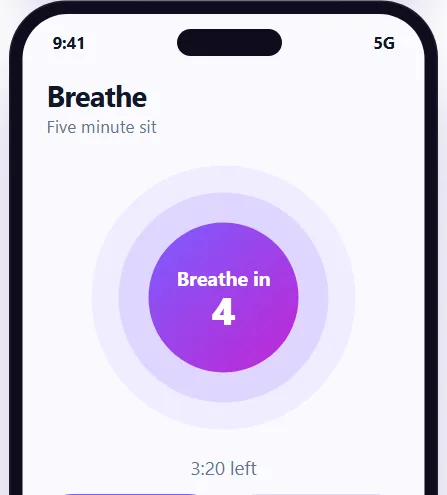
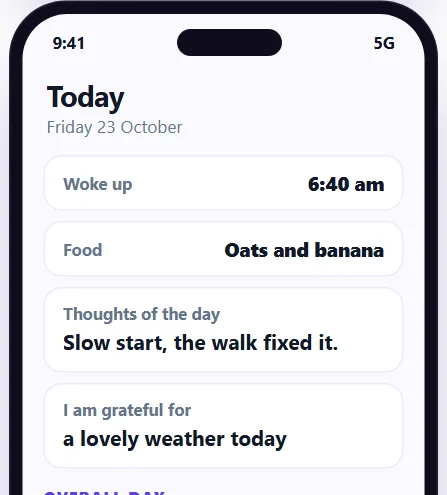
Each one shows an example screen, what the paid apps charge and what the Daily Journal does today.
 Affirmation app
 Meditation app
 Journal app
Start a private journal: mood tracker ideas
Sign up free for the Daily Journal: a short entry a day, reminders, and habits, food, mood and sleep in one private place.