How much sleep do I need?
Most adults need 7 to 9 hours of sleep a night, and older adults often 7 to 8. Teenagers need more. Needs differ between people, so how you feel in the day matters too.
Updated 21 October 2026. Sources named on the page.
Key factMost adults need 7 to 9 hours of sleep a night and older adults often 7 to 8, according to the Sleep Health Foundation (Australia) and the National Sleep Foundation (US).
- Hours by age group
- Signs you may need more
- Hours converted to sleep cycles
- When to talk to a doctor
Keep your results in the Daily Journal
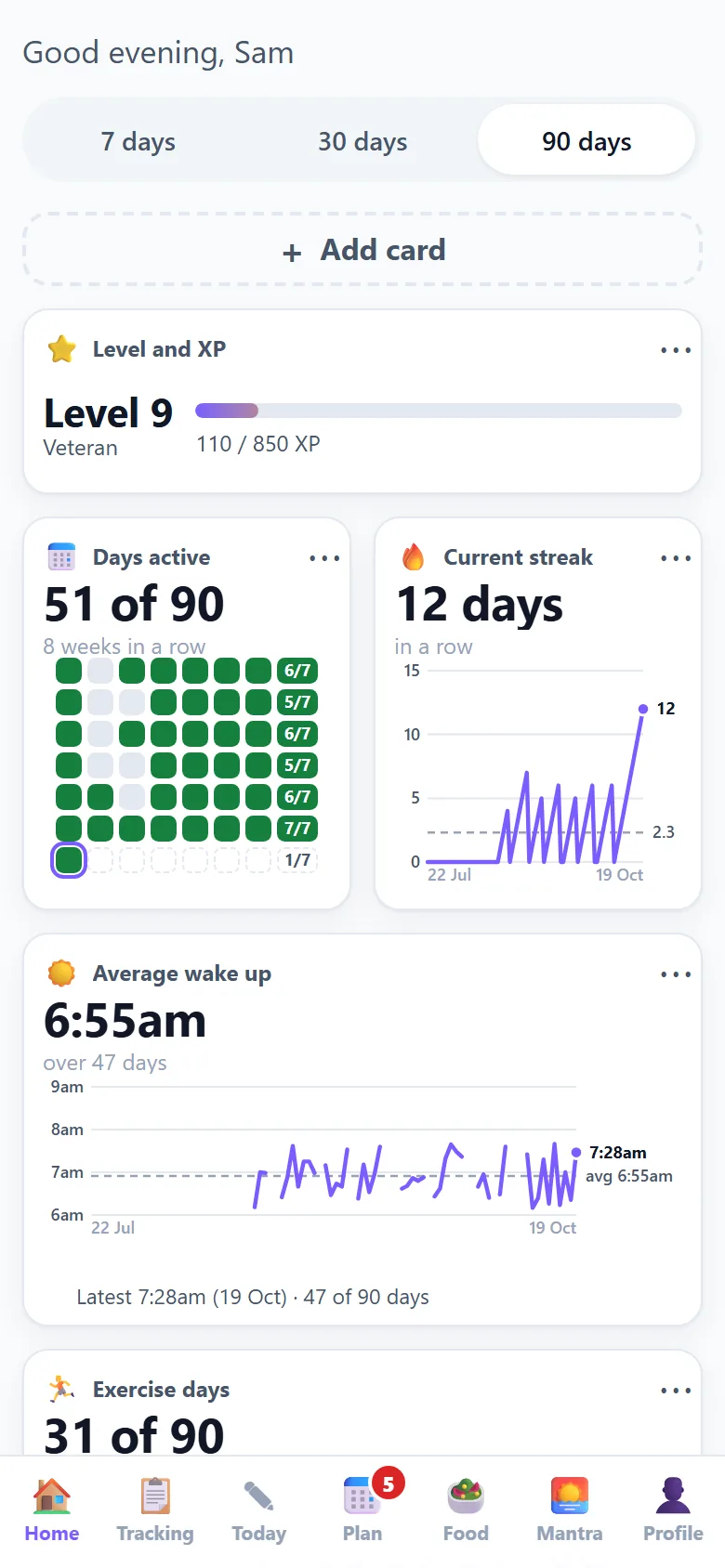
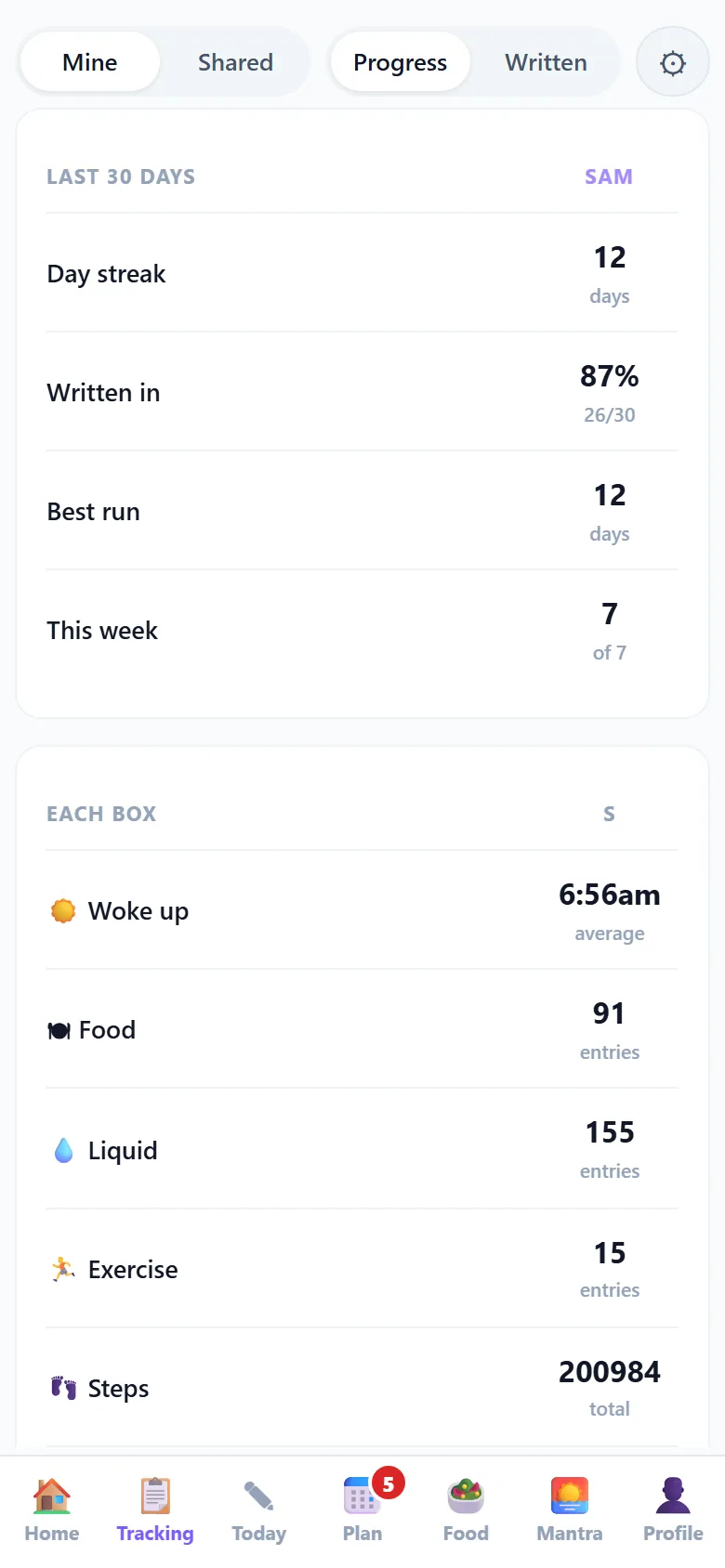
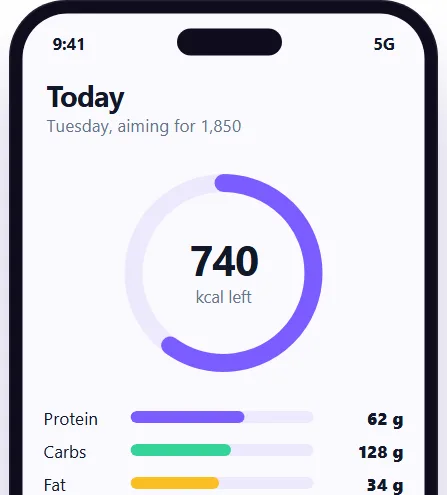
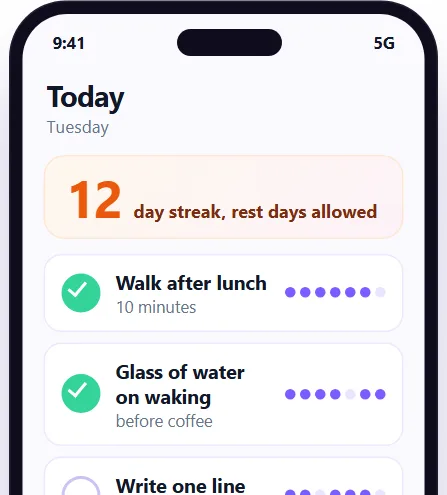
Habits, food, mood and sleep in one private place, with progress charts and a daily research card. Free to start.
- Every claim names its study
- Alone, as a couple or with a group
- Private by default
Plan your night
Choose a wake time and see the bedtimes that give you 6, 7.5 or 9 hours.
Hours by age group
These are commonly quoted ranges for healthy people, not exact needs.
General ranges
| Group | Hours a night |
|---|---|
| Teenagers (14 to 17) | 8 to 10 |
| Adults (18 to 64) | 7 to 9 |
| Older adults (65 and over) | 7 to 8 |
Hours as cycles
| Hours | Cycles of 90 minutes |
|---|---|
| 6 | 4 |
| 7.5 | 5 |
| 9 | 6 |
Sources: Sleep Health Foundation (Australia), sleep needs across the lifespan; National Sleep Foundation (US), recommended sleep durations
General information, not medical advice.
Everyone is a bit different
The ranges are wide because people differ. Some adults feel well on 7 hours and some need 9. A good test is how you feel: alert in the day, steady mood and no need for a lot of caffeine to get going.
Signs you may need more
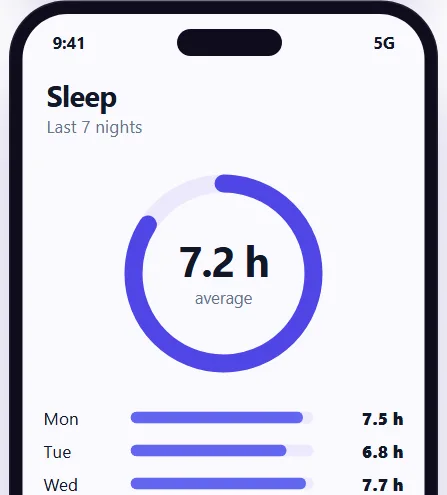
Needing an alarm every day, feeling foggy, nodding off easily in the day, or sleeping much longer on days off can all be signs of building up a sleep debt.
Small things that help
Keep wake and sleep times fairly regular, get daylight in the morning, keep the room dark and cool, and leave screens and caffeine well before bed.
When to see a doctor
If you sleep badly for weeks, snore loudly, stop breathing in your sleep or are always tired despite enough time in bed, talk to a doctor. This guide is general information and not medical advice.
Work backwards from your wake time
If you must be up at a fixed time, count back in whole sleep cycles of about 90 minutes and add around 15 minutes to fall asleep. For a 7:00 am wake time that gives bedtimes such as 9:45 pm, 11:15 pm or 12:45 am. The sleep calculator does this for any time.
Waking at the end of a cycle often feels easier than waking in the middle of one, which is why the calculator lists whole cycles.
Keep a sleep diary for two weeks
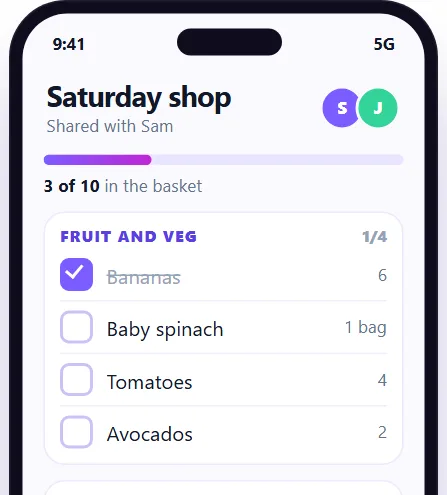
The most reliable way to learn your own need is to note it: bedtime, wake time, how you felt. After two weeks you can see how you feel after short and long nights. A paper sheet is free to print, or use the sleep tracker example to see what an app could show.

Small steps that help
Keep a steady wake time, including weekends. Dim the lights and put screens away before bed if you can. Keep the room cool and dark. Try one change for a week at a time so you know what worked.
Questions
Is 6 hours of sleep enough?
It is below the range most adults need on a regular basis. Some people feel fine, but many carry a sleep debt. Notice how you feel.
Can I catch up on weekends?
A little extra can help, but regular sleep through the week works better than big swings.
Do older adults need less?
The range for adults 65 and over is often given as 7 to 8 hours, a little narrower than for younger adults.
How many hours do teenagers need?
Teenagers aged 14 to 17 are commonly given 8 to 10 hours.
How do I work out when to go to bed?
Choose your wake time, count back in 90 minute cycles and add about 15 minutes to fall asleep. The sleep calculator lists the bedtimes for you.
Is it bad to wake up in the middle of a cycle?
It is not harmful, but many people feel groggier. Whole cycles are a rule of thumb, not a rule.
When should I see a doctor about sleep?
If you often cannot sleep, feel very tired in the day despite enough hours, or someone notices pauses in your breathing at night, speak to a doctor.
Keep going
Tools that go with this page
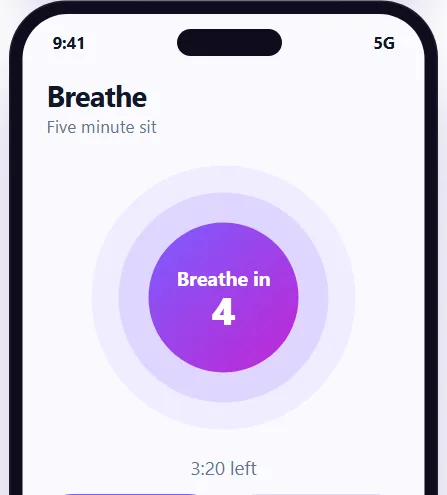
Each one shows an example screen, what the paid apps charge and what the Daily Journal does today.
 Meditation app
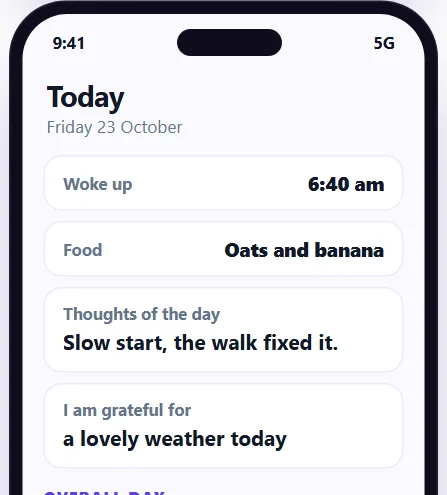 Journal app
Build a steady sleep habit
Sign up free for the Daily Journal app: habits, food, mood and sleep in one private place. Free to start.